Practical knowledge from the floor of a Dubai cold-chain operation — written for the quality managers, supply-chain leads and researchers who own temperature-sensitive shipments.
Real field tests — +2…+8 °C held for 49 hours under direct sun peaking above +63 °C, plus frozen and ambient results. Evidence, not adjectives.
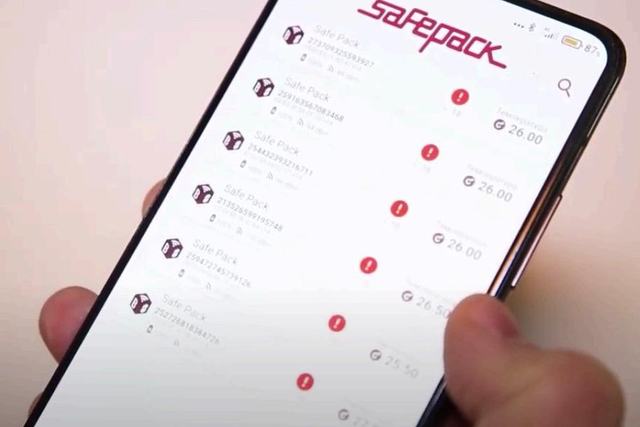
Read the article →In-transit temperature, humidity, movement and light — readable from up to 100 m away, two-year battery, −50 to +50 °C, web/app/API.
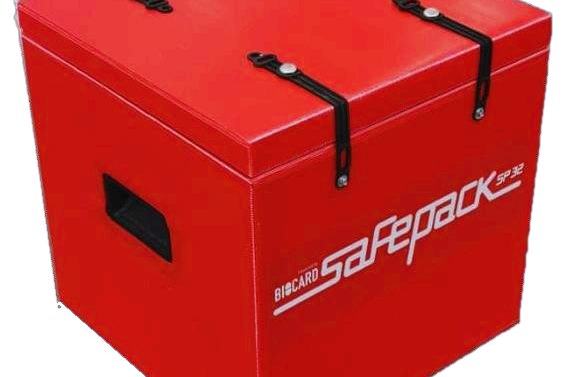
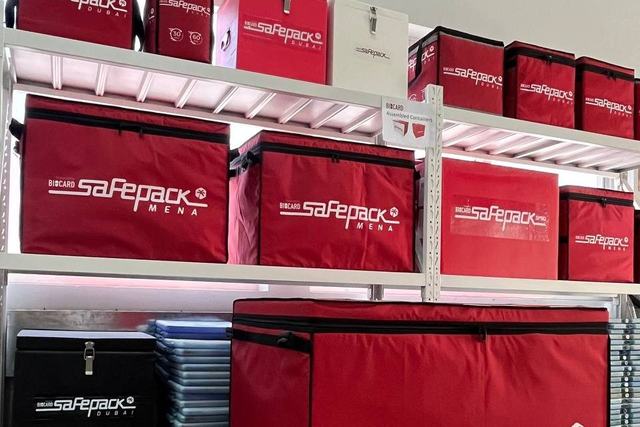
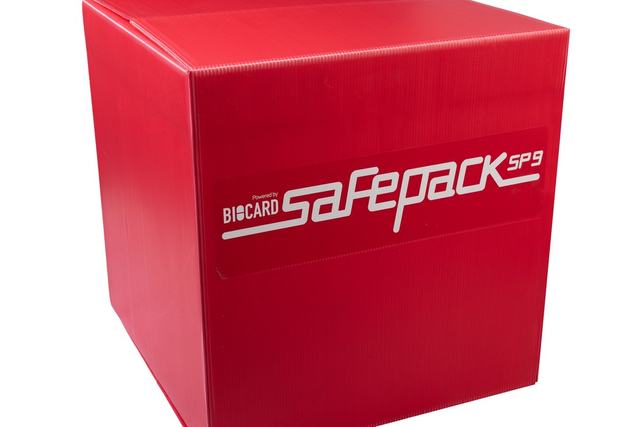
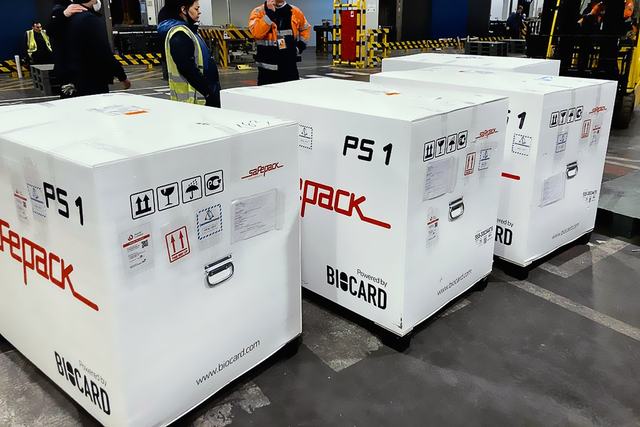
Read the article →From the SP9 motorbike courier box to the PS-1 pallet container — sizes, regimes, and single-use vs reusable.
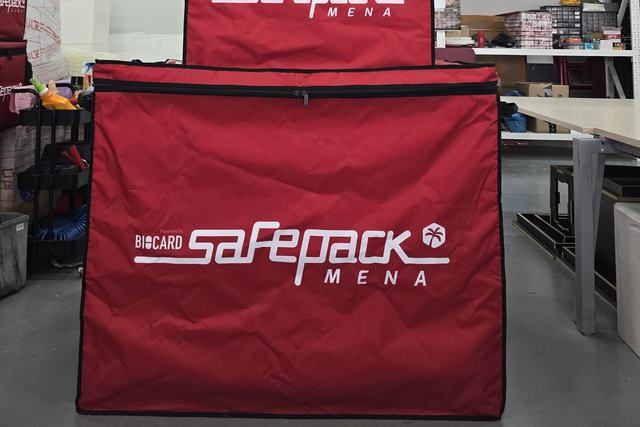
Read the article →No importing empty boxes, faster packing, and materials engineered for extreme Gulf heat — local production as a real advantage.
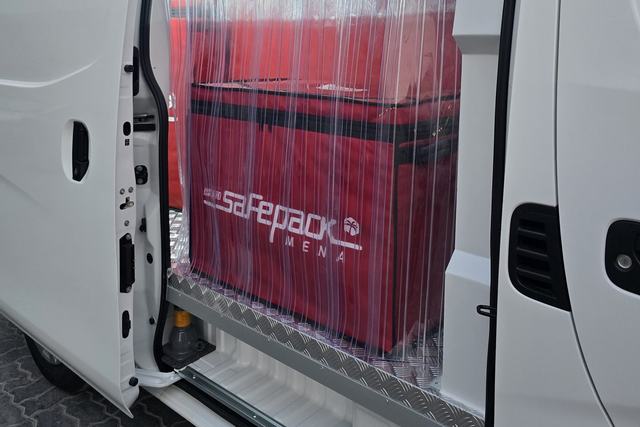
Read the article →A stop-by-stop route matrix, quotation boundaries and an acceptance checklist for organizations planning recurring deliveries.
Read the article →Delivery with a SafePack box and logger included, or your own boxes for your own couriers — published rates and prices in AED, and four questions that decide it.
Read the article →The +2…+8 °C requirement, why gel packs fail in Gulf heat, and what a compliant delivery looks like — step by step.
Read the article →What GDP principles and UAE guidance expect from transport records — and who assesses an excursion when one happens.
Read the article →An honest comparison across ranges, hold times and Gulf ambient profiles — and the questions that decide the choice.
Read the article →Botulinum toxin to a Dubai clinic at +2…+8 °C while it was above +40 °C outside — SafePack, a sensor record, no deviations.
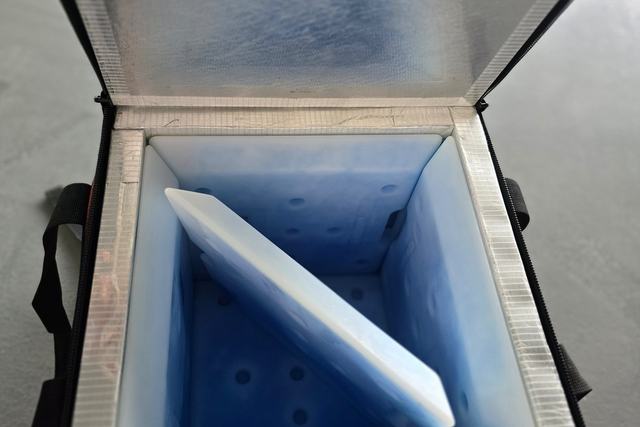
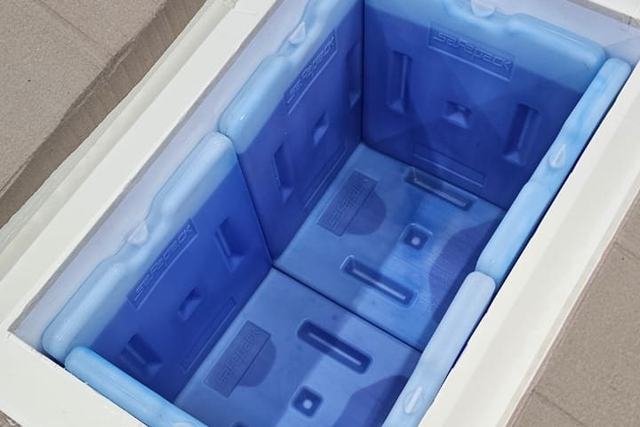
Read the case →PCM configurations for three ranges, up to 96 hours under defined conditions, and the records your quality team needs.
Read the article →Heat, handovers and tight delivery windows — and how packaging, monitoring and a written plan work together.
Read the article →An archived announcement. Promotions are time-limited — ask us whether it still applies.
Read the announcement →Not logistics theory — the human and clinical reasons temperature control exists, and what is really at stake when it fails.
How heat and freezing silently destroy medicines, what the WHO recommends, and why humanity built a cold chain at all.
Read the article →Why insulin and GLP-1 medicines are so vulnerable to heat and freezing — and why the Gulf is unforgiving.
Read the article →Why cancer biologics are the most valuable and most temperature-fragile medicines shipped — and what a failure really costs.
Read the article →The patient visit happens once. Why sample integrity depends on the cold chain, and how degradation ruins a result.
Read the article →Transport is a small share of a medicine's value — yet it decides whether the rest is a working medicine or medical waste.
Read the article →A ~$20 bn regional pharma market, Saudi Arabia's ~50% share, temperatures above +50 °C — why cold chain is core infrastructure here.
Read the article →Company news publishes here as the Dubai operation grows.
Tell us about the shipment. A BIOCARD specialist will review the route, temperature requirement and shipment details before responding.