A medicine that spoils can be replaced from the next batch. A biological sample usually cannot. The patient visit, the blood draw, the biopsy, the study timepoint — these happen once. When a sample degrades in transit, the information it carried is simply gone, and often it cannot be recovered at any price.
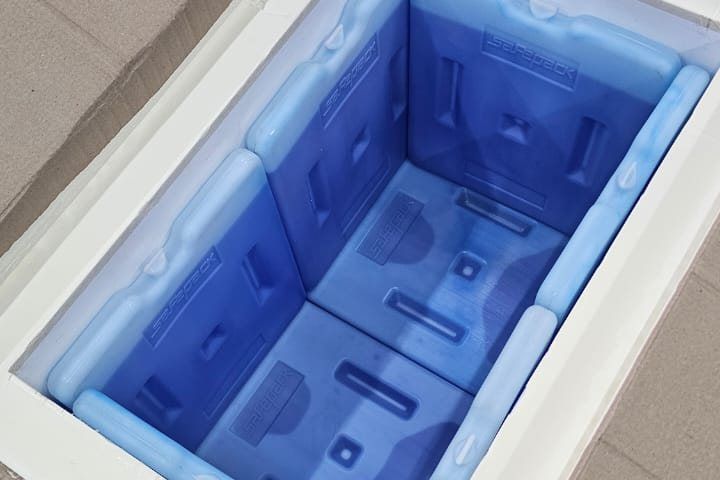
Biological samples are chemically alive with change. Enzymes keep working after a sample leaves the body; cells continue to metabolise; molecules like RNA begin to break down within minutes to hours unless they are cooled or frozen to slow the process. Get the temperature wrong and the numbers a laboratory later measures no longer reflect the patient — they reflect what happened to the sample on the way. A degraded specimen does not usually announce itself; it produces a plausible but wrong result, which is arguably worse than an obvious failure.
Shipping a sample warmer than required degrades it; letting a frozen sample thaw and refreeze can destroy it. And a partial thaw, like a heat excursion in a medicine, is invisible — which is why the record matters as much as the temperature.
Many diagnostic and clinical samples travel as UN 3373, Biological Substance Category B, with defined packaging, labelling and carrier-acceptance rules. Correct classification is not paperwork for its own sake — it protects the handlers and keeps the shipment moving instead of being stopped at a border or a carrier gate. We handle eligible samples subject to correct classification, packaging, documentation and carrier acceptance; where a lane cannot meet the standard, we say so.
Named handovers so custody is never ambiguous; a SafePack configuration matched to the required regime with duration margin above the planned transit; a sensor with the payload; and a record the receiving laboratory can trust. For research and trials this is inseparable from the documentation — see clinical-trial logistics and laboratory & biological samples.
You cannot re-draw a sample that has already degraded. Chain of custody and chain of cold are the same chain.
Tell us about the shipment. A BIOCARD specialist will review the route, temperature requirement and shipment details before responding.